The Living Kitchen: A Beginner's Guide to Fermentation
Transforming simple vegetables into probiotic-rich foods is easier than you think—and deeply satisfying.
Craft & Creativity Columnist
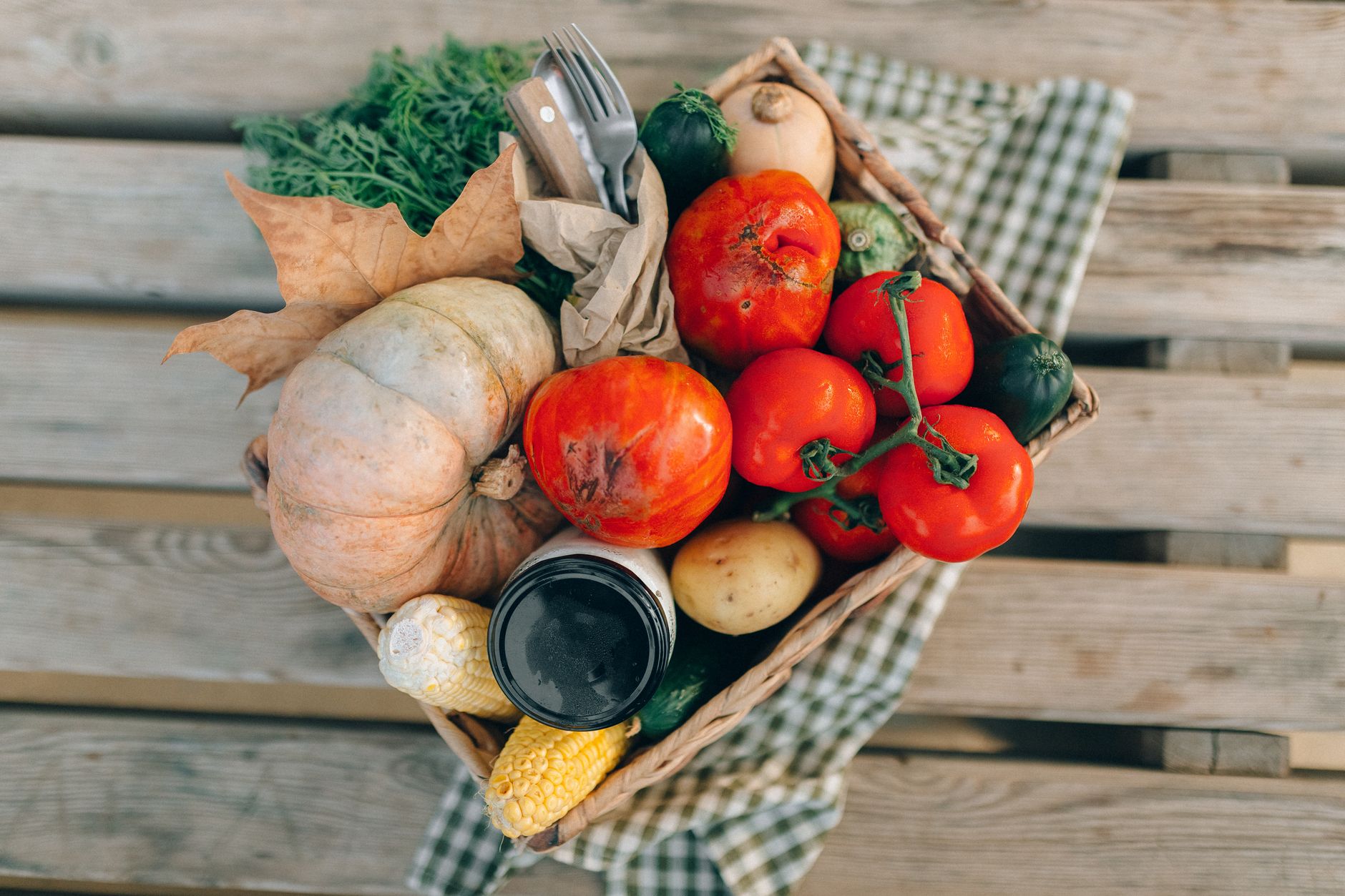
A jar, some salt, a vegetable and a week. That is the entire equipment list for the first ferment, and the first ferment is the one that convinces people. Cabbage becomes sauerkraut on a windowsill with no help from you beyond a daily press to keep it under the brine.
The science is simple enough to trust. Salt suppresses the organisms you do not want and lets the lactic acid bacteria, which are already on the vegetable, do their work. The sourness is the proof that it is going right; mould on top is the sign it is not, and it is easy to see.
What fermentation gives beyond the food is a relationship with time in the kitchen. Nothing can be hurried. You check, you wait, you taste. A living jar on the counter is a small daily practice in patience that happens to end in something delicious.
Nothing can be hurried. You check, you wait, you taste.
Alisha Ramos
Craft & Creativity Columnist
Alisha is a textile artist and a compulsive mender. Her column follows the objects and skills that connect us to the people who made things before us, and to the rooms we live in now.
Enjoyed this article?
Subscribe to receive more essays like this, once a week, directly in your inbox.