The Quiet Craft of Repair: Mending More Than Just Clothes
In a world of disposable fashion, the ancient art of visible mending offers a path to mindfulness, sustainability, and unexpected beauty.
Craft & Creativity Columnist
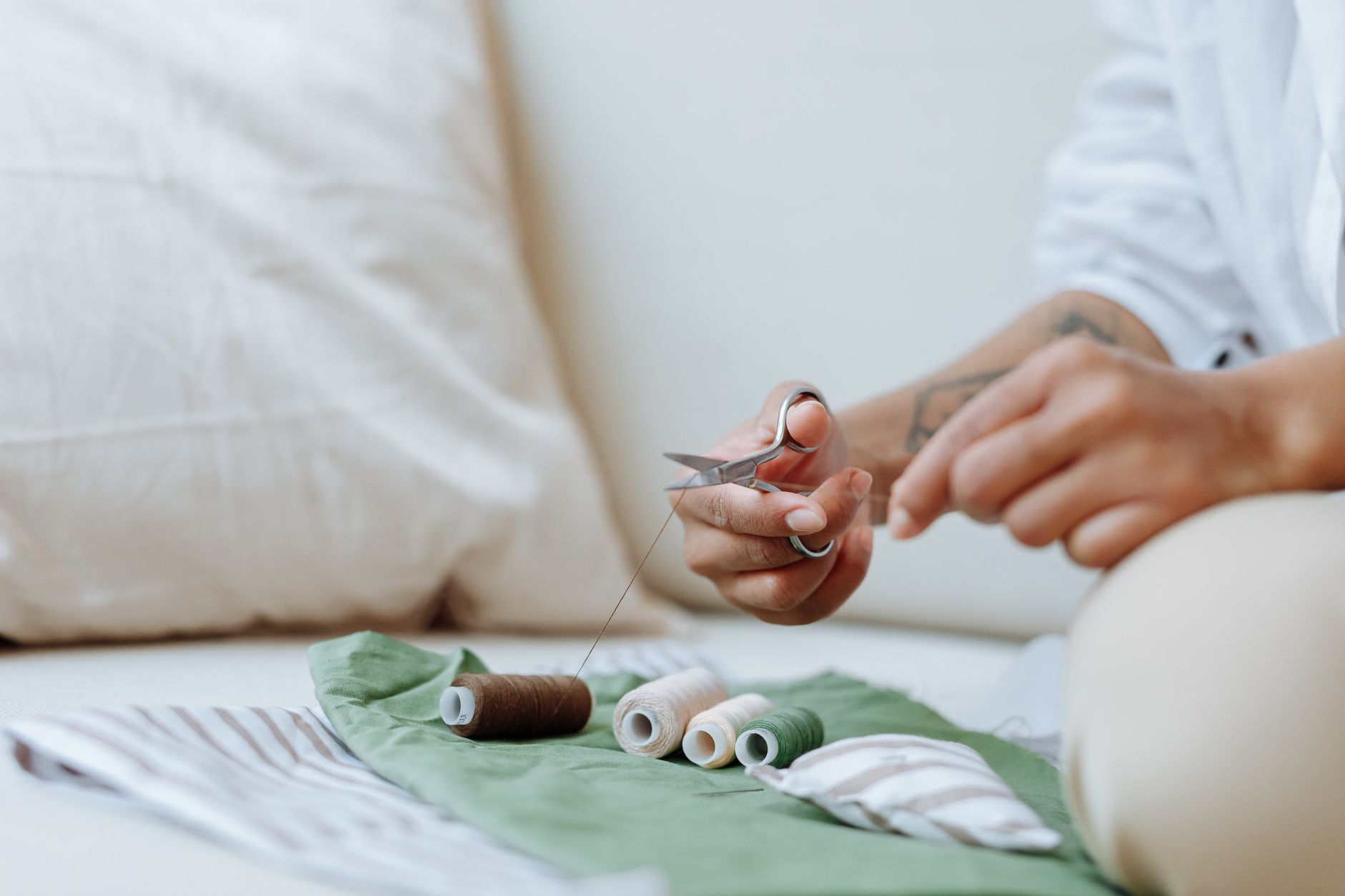
The needle moves slowly, deliberately, through worn denim. Each stitch is visible, intentional—a small act of resistance against a culture that tells us to throw away and replace. This is visible mending, an ancient practice experiencing a quiet renaissance among those seeking to slow down, to honor what they already own, to find beauty in imperfection.
Unlike invisible repairs that aim to erase damage, visible mending celebrates it. A torn knee becomes a canvas for colorful embroidery. A frayed cuff gains new life with contrasting thread. The Japanese art of sashiko, with its running stitches in geometric patterns, transforms necessity into art.
But the practice offers more than aesthetic appeal. In the rhythm of needle and thread, many find meditation. The focus required pushes aside the noise of daily life. Time slows. Breath deepens. What begins as a practical task becomes a form of mindfulness, a way to be fully present with the work of your hands.
There's also the quiet satisfaction of self-reliance. In learning to mend, we reclaim a skill our grandparents took for granted but our generation has largely forgotten. We become less dependent on the endless cycle of consumption, more connected to the things we use every day.
And perhaps most importantly, visible mending tells a story. Each patch, each line of stitching, marks a moment in time—a favorite jacket worn on countless adventures, a beloved shirt that's earned its wear. These repairs become a map of a garment's life, and by extension, our own.
In a world that moves too fast, that values the new over the enduring, the practice of mending offers something radical: the suggestion that what we already have is enough, that care and attention can restore beauty, that the act of repair—of clothes, of objects, perhaps even of ourselves—is worth our time.
Each stitch is visible, intentional—a small act of resistance against a culture that tells us to throw away and replace.
Alisha Ramos
Craft & Creativity Columnist
Alisha is a textile artist and a compulsive mender. Her column follows the objects and skills that connect us to the people who made things before us, and to the rooms we live in now.
Enjoyed this article?
Subscribe to receive more essays like this, once a week, directly in your inbox.